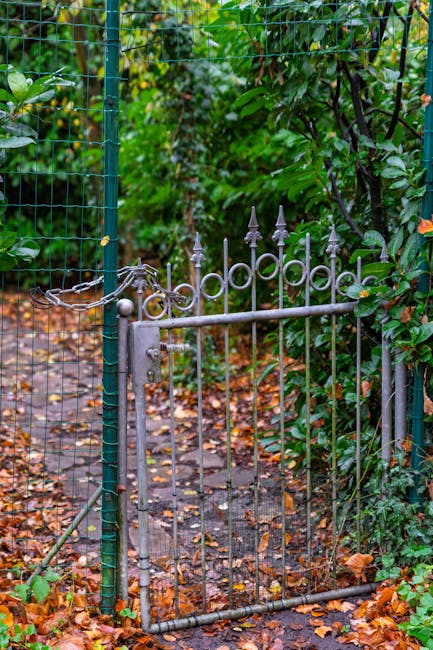
What to know about access issues for Enfield gardeners
If you are planning garden work in Enfield, access can make or break the job. A tidy front path, a narrow side return, a locked gate, a steep slope, or nowhere decent to park can turn a simple visit into a bit of a puzzle. That does not mean the work cannot be done. It just means the job needs a little more thought upfront.
In practice, what to know about access issues for Enfield gardeners comes down to one thing: making sure the team can reach the garden safely, move equipment in and out, and work efficiently without damaging your home, neighbours' property, or the garden itself. This guide covers the common access problems, how professionals usually handle them, what good preparation looks like, and the mistakes that tend to cause delays. Let's face it, a 10-minute conversation before the work starts can save a lot of awkward lifting later.
Table of Contents
- Why access matters for garden work in Enfield
- How access planning works in practice
- Key benefits and practical advantages
- Who this is for and when it makes sense
- Step-by-step guidance
- Expert tips for better results
- Common mistakes to avoid
- Tools, resources and recommendations
- Law, compliance, standards, and best practice
- Options, methods, and comparison table
- Case study or real-world example
- Practical checklist
- Conclusion
- Frequently asked questions
Why access matters for garden work in Enfield
Access affects almost every part of a gardening job. It influences how quickly a team can set up, what equipment they can bring, how much manual carrying is needed, and whether the job can be completed in one visit or needs to be split into stages. That might sound obvious, but in real life access issues are one of the most common reasons a garden project feels slower than expected.
In Enfield, the mix of property types matters. You may have a narrow terraced side passage, a detached home with a long drive, a block of flats with shared entrances, or a rear garden only reachable through the house. Each layout changes the approach. Some gardens are straightforward. Others need careful planning just to get a mower, hedge trimmer, or clearance waste to the right place.
Good access planning also protects the home. If workers have to carry soil bags, hedge cuttings, timber, or tools through tight hallways or over delicate paving, there is a higher risk of scuffs, dropped debris, broken fixtures, or muddy footprints. Nobody wants that, especially after a wet morning when the soil is heavy and clings to everything.
There is also a time and cost angle. Access problems do not always mean extra charges, but they often require more labour, more trip time, or different equipment. A clear explanation at the start helps avoid surprises. If you are comparing services, this is where a well-run provider stands out: they ask the right questions instead of guessing. For a broader look at the kinds of work often affected by access, see the services overview and the site's approach to pricing and quotes.
Expert summary: Access is not just about whether someone can get into the garden. It is about safe movement, workable loading space, protection of surfaces, efficient labour, and realistic scheduling. Get that right, and everything else gets easier.
How access planning works in practice
Most professional gardeners will think about access in a few practical stages before the work begins. First, they look at entry points. That means gates, side passages, front access, internal routes through the property, and any restrictions such as key collection or locked shared areas. Then they consider the load-in route for tools and waste. Finally, they look at whether there is enough space to work without blocking neighbours, bins, cars, or shared walkways.
A simple example: a regular lawn mowing visit is usually easy if the mower can be rolled straight to the rear garden. But if the only route is through a narrow hallway and up two steps, the job becomes more cumbersome. Add in wet grass, a small doorway, and a long carry distance, and the setup changes again. Still doable, just different.
For larger jobs such as garden clearance, landscaping, or hedge cutting, access planning becomes even more important. Waste has to be moved out. Materials need to be brought in. Sometimes the team will use sacks, buckets, barrows, protective runners, or staged drop points in the garden. In more awkward spaces, a job may need to be split into sections rather than tackled all at once. That can actually be the smartest route, even if it feels less neat on paper.
It also helps to think about the garden type itself. A rear garden with a decorative deck, soft borders, and newly laid turf is more vulnerable than a more robust work area. If the job touches hard landscaping, you may also want to review relevant pages such as landscaping, landscape gardening, or decking services if the project involves structural features or careful material movement.
One practical truth: access planning is often less about big dramatic problems and more about small annoyances stacking up. A gate that sticks, a hidden step, a loose slab, a dog in the way, a neighbour's parked car, and suddenly everyone is spending energy on logistics rather than the garden itself.
Key benefits and practical advantages
When access is thought through properly, the benefits show up fast. The most obvious is efficiency. A gardener can get to work without stopping every few minutes to move tools, find a route, or protect surfaces. That usually means better use of time and a calmer, more professional experience for everyone involved.
Another benefit is safety. Tight access increases the chance of trips, strains, drops, and awkward lifting. If waste is being removed or heavy materials are being carried, the risk goes up further. A sensible access plan reduces that pressure. In real terms, that means fewer rushed movements and fewer "just squeeze it through" moments, which, to be fair, are rarely a good idea.
There is also a quality benefit. A well-accessed job is easier to finish neatly. Edges can be trimmed more accurately, waste can be cleared cleanly, and the finished garden is less likely to look disturbed by the process. This matters for regular care too. Services like garden maintenance, lawn mowing, and hedge trimming tend to go more smoothly when the route in and out is clear.
Here is a simple comparison of what good access planning tends to improve:
| Area affected | With good access | With poor access |
|---|---|---|
| Time on site | More focused, fewer interruptions | Slower, with repeated repositioning |
| Safety | Lower risk of trips and strain | More awkward lifting and congestion |
| Finish quality | Cleaner, more controlled results | More chance of accidental damage |
| Waste removal | Straightforward and efficient | More labour and more handling |
| Customer experience | Calm and predictable | More questions, delays, and disruption |
The other quiet advantage is trust. When a gardener asks about access before the job starts, it shows good judgement. That tends to put people at ease. You know they are thinking ahead rather than trying to improvise while standing in the rain with a wheelbarrow. That matters more than people admit.
Who this is for and when it makes sense
Access planning matters for almost everyone, but a few situations make it especially important. If you live in a terraced house with a rear garden, for example, you may have narrow access down the side or through the home. If you are in a flat with shared entry points, you may need to coordinate timings and keep communal areas clear. If your garden backs onto another property with no direct vehicle access, waste handling becomes a bigger part of the job.
It also matters if the work involves a lot of material movement. Clearance jobs, heavy pruning, tree work, landscaping, or the installation of features like paving and decking all need room to operate. A small light pruning job and a full site tidy-up are not the same beast at all. Truth be told, many access problems only become obvious when there is something substantial to carry.
This topic is especially useful for:
- Homeowners booking one-off garden work
- Landlords preparing a rental property
- Managing agents responsible for shared access
- Older residents who need low-disruption service
- Busy families who want the job done quickly and safely
- Anyone with limited side access, locked gates, or rear-only entry
It also makes sense if your property has unusual features: steps, slopes, narrow gates, soft ground after rain, or recently installed surfaces that need protecting. If waste management is part of the visit, a service like garden clearance will usually depend heavily on how far debris has to be carried and how easy it is to load out.
Ask yourself: can someone get the right tools to the job without forcing them through a maze? If the answer is no, the access plan needs attention before anyone arrives.
Step-by-step guidance
If you want to make access easier for a gardener, the best approach is to deal with it early. Here is a simple step-by-step process that works well in real life.
- Walk the route yourself. Start at the front door or vehicle parking point and follow the exact path to the garden. Notice gates, locks, steps, tight corners, low branches, and anything that would slow movement.
- Measure the pinch points. You do not always need exact engineering numbers. Just note whether a mower, barrow, ladder, or bag of waste can pass comfortably. If the route feels awkward to you, it will likely feel awkward for tools too.
- Check vehicle parking options. Think about where a gardener can reasonably stop, unload, and leave equipment without blocking neighbours or causing a hazard. Shorter carrying distances are always better.
- Decide what must be protected. Hallways, carpets, decking, paving, flowerbeds, and freshly painted surfaces may need covers, runners, or extra care.
- Explain access restrictions clearly. Shared gates, code locks, pets, timed entry, school-run congestion, or neighbour coordination should be mentioned early. A gardener cannot work around information they do not have.
- Match the service to the access. A regular visit may be fine with modest access, while a bigger landscaping or tree-related job may need a different setup entirely. If tree work is involved, review tree lopping and removal as the access demands are often more complex.
- Confirm the plan before the appointment. A quick recap helps avoid misunderstandings. Even a short message like "gate at the side is 76cm wide, parking is across the road" can be incredibly helpful.
Once those basics are done, the job usually feels much smoother. It is one of those boring-but-useful things that saves everyone hassle. Not glamorous. Very effective.
Expert tips for better results
From a practical point of view, the best access advice is rarely dramatic. It is usually small, sensible, and a bit mundane. That is exactly why it works.
Keep the route clear before the visit. Move bikes, plant pots, toys, wheelie bins, and garden furniture out of the way. The obvious stuff is often the stuff that trips people up. You would be surprised how often a single small item causes a whole chain of awkward repositioning.
Open gates and secure pets. This sounds basic, but it matters. A gardener carrying tools does not want to stop for a loose dog or wrestle with a heavy gate latch. If access depends on somebody being home, make sure that is arranged properly. No one likes standing outside in drizzle waiting for a key. Been there, done that, not ideal.
Think about weather. After rain, a side path can become muddy, slippery, and slower to use. In winter, daylight disappears earlier and outdoor steps can be harder to judge. In summer, dense growth can narrow access more than you expected. Seasonal conditions really do change the job.
Use the right service for the right situation. Some access-heavy jobs are better handled as part of a wider maintenance plan rather than as an emergency fix. Regular visits through garden maintenance often keep pathways, waste levels, and hedge growth under control, which makes access less of a headache over time.
Be honest about limitations. If there is no vehicle access, if the gate is too narrow for larger equipment, or if the only entry is through the house, say so. Honest information helps the gardener plan properly. It also helps you get a fairer, more realistic quote.
Expect some problem-solving. Good gardeners do not panic at awkward access. They adapt. They may bring smaller equipment, use protective coverings, or work in stages. The goal is not perfection. It is a clean, safe, workable setup.
Common mistakes to avoid
Access problems are usually manageable, but a few mistakes cause repeat issues. The first is under-explaining the site. Saying "the garden is easy enough" does not help much if there are three locked gates and a steep side path. Detail beats optimism every time.
Another common mistake is assuming every gardener will bring the same equipment. They will not. One team may be set up for larger clearance work, another for routine maintenance, and another for specialist landscaping. If the access is tight, that difference matters. A service that looks similar on the surface may have a very different footprint on site.
People also forget to think about waste. If the job creates cuttings, old turf, soil, branches, or broken materials, where does it go while the job is in progress? If there is no sensible temporary holding point, the work area can get cluttered fast. And once the mess starts spreading, it gets harder to move safely.
Here are the mistakes that most often trip people up:
- Not mentioning narrow gates, steep steps, or internal access routes
- Leaving parked cars in the only practical loading area
- Failing to secure pets or open access points in advance
- Forgetting that wet ground makes movement slower and messier
- Assuming waste removal is easy without checking the route out
- Booking a job without explaining whether the garden is rear-only access
One more thing: do not overcomplicate it. Some people worry so much about sounding awkward that they leave out the very details a gardener needs. Better to mention the "annoying little bit" upfront. That is usually the part that saves the day.
Tools, resources and recommendations
You do not need specialist kit to prepare for access issues, but a few simple tools can help. A tape measure is useful for checking gate widths and side passages. A notepad or phone note works well for listing the access route. If you are preparing a property for a clearance or landscaping visit, a quick photo of the entry points can also be helpful. A picture of the side gate and the route to the rear garden says more than a long, vague description.
For the work itself, gardeners may use items such as:
- Wheelbarrows and garden sacks for moving waste
- Protective sheets or runners for floors and paving
- Smaller tools for confined spaces
- Hand-carry methods where machine access is not practical
- Temporary staging areas in larger gardens
From a customer point of view, the most useful resource is often a good pre-visit checklist. If you are preparing for a larger project, the pages on landscaping and services overview can help you think about the type of work involved, while about us is useful if you want a better feel for how a provider approaches jobs professionally.
And yes, some people like to overdo the prep. You do not need to sweep the whole garden with military precision. Just make the route sensible, flag the odd obstacle, and let the professionals do the rest. That is usually enough.
Law, compliance, standards, and best practice
Access issues are not just a comfort or convenience topic. They can connect to safety, neighbour relations, property protection, and responsible working practice. In the UK, competent contractors are generally expected to work in a way that reduces avoidable risk to people and property. That does not mean every job needs heavy formalities, but it does mean planning matters.
Good practice usually includes:
- Identifying hazards before work starts
- Making sure entry and exit routes are safe
- Avoiding unnecessary damage to paths, walls, and shared areas
- Using suitable lifting and carrying methods
- Keeping work areas tidy enough for safe movement
- Communicating clearly with the customer about restrictions or delays
If a property has shared spaces, you may need to think carefully about access timing and courtesy. That is especially true in terraced streets, communal blocks, and homes with limited frontage. In those settings, noise, blocking, and waste movement should be handled with a bit of neighbour awareness. It is not just polite. It helps the day run better.
For service providers, internal policies such as health and safety policy, insurance and safety, and accessibility statement help show the right mindset. They do not solve every practical issue by themselves, of course, but they do indicate that access and safety are taken seriously. If payments, terms, or complaints ever become part of the conversation, the pages on payment and security, terms and conditions, and complaints procedure are there for clarity.
For customers, the best best practice is simple: be clear, be honest, and do not leave access assumptions to chance. That alone prevents a surprising amount of friction.
Options, methods, and comparison table
There is no single right way to handle access. It depends on the job, the site, and the amount of disruption you can tolerate. Below is a practical comparison of common approaches.
| Method | Best for | Pros | Limits |
|---|---|---|---|
| Direct garden access from a gate | Routine maintenance, mowing, hedge cutting | Fast, simple, minimal disturbance | Needs enough width and a clear route |
| Access through the house | Rear-only gardens, small domestic jobs | Works where outside access is limited | Higher risk of indoor mess or damage |
| Shared access through communal areas | Flats, managed properties, terraces | Practical for many urban homes | Needs coordination and courtesy |
| Split-stage work | Clearance, landscaping, heavier jobs | Reduces congestion and can improve safety | Takes more planning and may extend timing |
| Specialist loading and removal plan | Large waste volumes or awkward layouts | Makes difficult jobs workable | Can add labour and handling time |
For lighter visits such as lawn mowing, simple direct access may be all you need. For heavier or more complex work, especially if the site is messy or overgrown, the access method may matter almost as much as the service itself. That is where good advice saves time and frustration.
If you are weighing up a larger project, it is worth linking access to the actual scope of work. A tidy garden with wide access can be handled very differently from a site that needs garden clearance before any improvement work can begin. No surprise there, really.
Case study or real-world example
Imagine a typical Enfield rear garden behind a terraced house. The garden is not huge, but it has a narrow side passage, a step down from the kitchen, and a locked rear gate shared with a neighbour. The owner wants hedge trimming, some border tidying, and a small clear-out of old plant pots and branches.
On the surface, that sounds straightforward. But once the route is checked, the practical issues appear: the wheelbarrow does not comfortably fit through the side path with bags in it, the gate opens inward and catches on a bin, and the kitchen step is awkward with a full load. None of these problems are dramatic. Together, though, they slow the job considerably.
The fix is simple enough. The owner clears the side path the day before, unlocks the gate, moves the bin, and agrees that waste will be carried out in smaller loads rather than one heavy trip. The gardener brings lighter tools, uses careful floor protection at the kitchen threshold, and schedules the tidy-up before the hedge cut so the route stays clearer.
The result? A job that could have felt like a squeeze ends up running neatly. Not perfect, but smooth enough. The kind of workday where everyone breathes a little easier at the end. That is the real value of thinking about access in advance.
Practical checklist
Use this checklist before the appointment or project start date:
- Have I walked the exact route from entry point to garden?
- Are gates, locks, and keys sorted?
- Is there enough width for tools, sacks, or a wheelbarrow?
- Have I cleared bikes, bins, furniture, and toys from the route?
- Is parking or unloading space available nearby?
- Do I need to protect hallways, flooring, decking, or paving?
- Have I mentioned steps, slopes, tight corners, or low branches?
- Are pets secured and neighbours aware if needed?
- Will waste have a clear route out of the property?
- Have I checked whether the work is regular maintenance, clearance, or a larger landscaping project?
If you can tick most of those off, you are already ahead of the game. And if you cannot, that is fine too. It simply means the access plan needs a bit more thought before the gardener arrives.
Conclusion
Access issues are one of those unglamorous parts of garden work that quietly shape everything else. When the route is clear, the work is safer, cleaner, and usually more cost-effective. When it is not, even a simple visit can feel more complicated than it should.
The good news is that most access problems are manageable. A few honest details, a quick check of gates and routes, and a realistic view of what needs carrying can make a big difference. Whether you are booking routine maintenance, a hedge trim, a lawn cut, or a bigger clearance or landscaping job, the smartest approach is usually the simplest one: plan access properly, and the rest tends to follow.
If you are preparing for a project and want a clearer picture of the options, have a look through the relevant service pages and make a note of anything that affects movement, waste removal, or protection of the property. It saves hassle later, and honestly, it makes the whole thing feel much less daunting.
Get a free quote today and see how much you can save.
Frequently Asked Questions
What does access mean in garden maintenance?
Access means the route a gardener uses to reach the garden, move tools in and out, and remove waste safely. It includes gates, side passages, doors, steps, parking, and shared areas.
Why do access issues matter so much for gardeners in Enfield?
Because many Enfield properties have tight side passages, rear-only gardens, or shared entrances. Those layouts can affect safety, timing, and the type of equipment that can be used.
Will poor access always make a garden job more expensive?
Not always, but it can. Poor access may increase labour time, require smaller equipment, or make waste removal slower. A good provider will usually explain any likely impact before work starts.
How should I prepare my garden for a visit?
Clear the route, unlock gates, secure pets, move bins and furniture, and point out any steps, slopes, or narrow gaps. A quick walk-through helps more than people think.
What if the gardener has to come through my house?
That can be fine for some jobs, but it should be discussed in advance. Floors may need protection, and the route should be kept as clear as possible to reduce mess and damage.
Can gardeners work in gardens with very narrow side access?
Yes, often they can. They may use smaller tools, break the job into stages, or change how waste is moved. Narrow access is common, so it is usually a planning issue rather than a deal-breaker.
Do I need to tell a gardener about parking restrictions?
Yes. Parking can affect unloading, setup, and how quickly the job gets underway. If a van cannot stop nearby, the team may need to carry tools and waste further than expected.
What kind of jobs are most affected by access problems?
Clearance, landscaping, tree work, hedge cutting, and jobs that create a lot of waste are usually the most affected. Routine mowing can also be impacted if access is especially tight.
Should I mention shared gates or neighbour access?
Absolutely. Shared access can affect timings, noise, and movement of materials. It is better to mention it early so there are no awkward surprises on the day.
How do I know if access is good enough for the work I want done?
Think about whether tools, waste, and a person can move comfortably without forcing anything. If the route feels awkward to you, it is worth flagging before the visit. A quick photo or description usually helps.
Is access planning important for small jobs too?
Yes, even small jobs can be delayed by awkward gates, locked routes, or blocked paths. The smaller the job, the more annoying it is when a simple access issue causes a delay. Bit of a pain, really.
What should I ask before booking a gardening service?
Ask how they handle narrow access, whether they need parking nearby, if floor protection is required, and whether any extra time may be needed for waste removal. Those questions keep expectations realistic and help the day run smoothly.
How can I make a larger project easier to manage?
Start with clear information, then split the job into sensible stages if needed. For bigger work, especially clearance or landscaping, a planned approach almost always works better than trying to do everything at once.