Gardener Enfield: Recycling and Sustainability for Greener Gardens
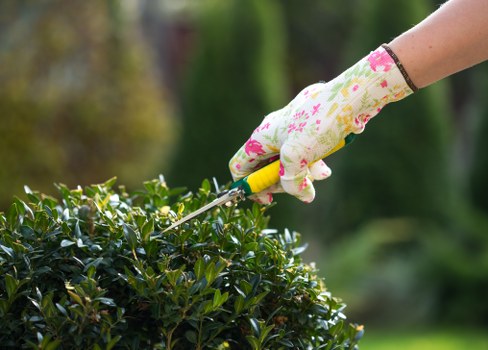 As Gardener Enfield we commit to an eco-friendly waste disposal area in every job we undertake. Our approach to sustainable gardening balances practical waste management with a long-term vision for the borough. Whether you search for an Enfield gardener or a gardener in Enfield, you’ll find our work focuses on reducing landfill, increasing reuse and building healthy soils through composting. This page explains how we turn garden waste into resources while supporting local recycling systems.
Our day-to-day operations are designed around an operational footprint that is both efficient and low-carbon. We use a mixture of electric tools, low-emission hauling and careful sorting to make each site an example of a sustainable rubbish gardening area. Small changes such as segregating green waste on-site and using designated receptacles for wood, soil, and mixed organics reduce cross-contamination and improve recycling outcomes across the borough.
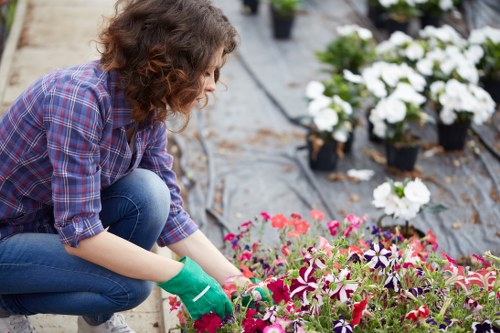 The borough’s approach to waste separation influences how we manage material on site. Enfield and neighbouring boroughs use kerbside separation systems for dry recyclables, food waste and garden waste, which means garden teams must prepare materials to match local requirements: glass and cans go in dry recycling streams, food and small kitchen scraps go into food-waste collections where accepted, and larger woody debris is diverted to garden-specific processing. By aligning our sorting with the local authority model, we avoid contamination and help improve the town-wide recycling rate.
We have a public recycling percentage target that guides decision-making across the whole service. Our internal goal is a 65% recycling and recovery rate by 2030 for materials collected from private and communal green spaces, aiming to exceed current municipal averages. This figure includes composted garden waste, mulched wood, reused soil amendments and recycled materials recovered through local transfer systems. Setting this target helps quantify progress and drive continuous improvement.
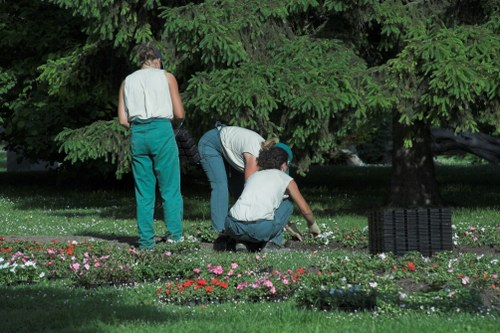 To move materials efficiently we work with local transfer stations and processing centres, including Edmonton EcoPark and other North London transfer facilities that accept segregated green waste and wood. These transfer stations allow us to drop off sorted streams quickly, reducing double handling and keeping haulage emissions lower. Where possible we prioritise facilities with on-site composting or anaerobic digestion so organic fractions are turned into soil improver or renewable energy rather than being incinerated.
We also maintain a set of operational best practices that help the community adopt a sustainable rubbish gardening area mindset. These include:
- On-site segregation of woody material, green cuttings and soil to match borough kerbside streams;
- Composting and in-village mulching to return organic matter to the garden;
- Reuse and donation of healthy plants, fencing, pots and topsoil to extend the life of materials;
- Education for clients about bin colours and what can be included in kerbside collections.
Logistics are central to lowering the carbon footprint of gardening waste collection. We operate a mixed fleet of fuel-efficient vans and dedicated low-emission vehicles: battery-electric vans for short urban runs, plug-in hybrids for mixed routes, and Euro-compliant low-emission diesel vehicles only where necessary. Route optimisation software reduces mileage and idling time, so our low-carbon vans achieve more collections with less environmental impact. When possible, we also use cargo bikes for small loads in town centres to reduce congestion and emissions further.
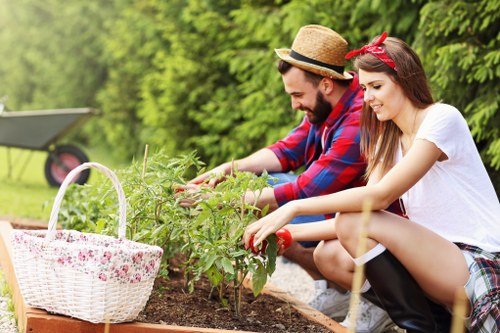 Partnerships with local charities and community groups are key to closing resource loops. We donate surplus topsoil, potted plants and usable timber to community gardens and charities such as local food-growing networks and organisations that run community allotments. Collaboration with Enfield-based groups helps redistribute materials that would otherwise be discarded and supports local circular-economy projects. We avoid landfill by matching materials to charity partners, reuse collectives and community composting hubs.
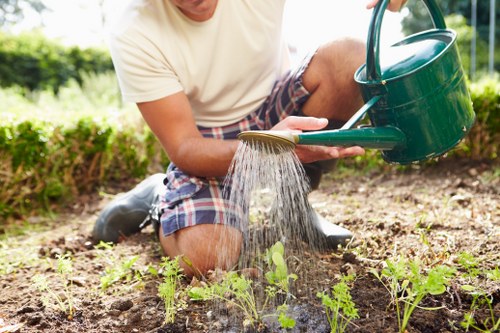 Our approach also includes targeted activity in public realm and communal spaces: arranging bulk collections for communal green waste, coordinating with borough-run collections for large branches, and supporting local events that promote reuse. We prioritise long-term improvements like soil health restoration through mulching and compost application, because a healthy soil reduces the need for chemical inputs and increases a garden’s ability to retain water and sequester carbon.
Transparent reporting and continuous improvement
We publish routine summaries of waste streams and recycling performance to show how close we are to the recycling percentage target. These reports explain the proportion of materials composted, reused, recycled or sent to energy recovery, and identify opportunities to increase the share routed to low-carbon processing. Transparency helps clients and partners understand the environmental benefits of a properly managed green waste service.
How you can help create a sustainable rubbish gardening area
Everyone can play a role: keep green waste separated, save high-quality materials for donation, and choose services that prioritise low-emission vans and local transfer station processing. By selecting an Enfield gardening service that follows borough guidance on waste separation and works with local charities, residents support a circular approach that benefits the wider community.In short, Gardener Enfield champions an integrated strategy for an eco-friendly waste disposal area and a resilient, sustainable rubbish gardening area. Through clear targets, partnerships with transfer stations and charities, and a low-carbon fleet, we turn garden waste into value — cleaner streets, healthier soils and a lower-carbon neighbourhood.